digestive biscuit
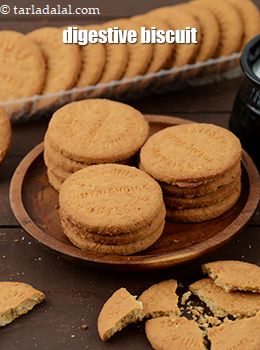
Table of Content

Also Known As
Sweet Meal Biscuit
What is digestive biscuit?
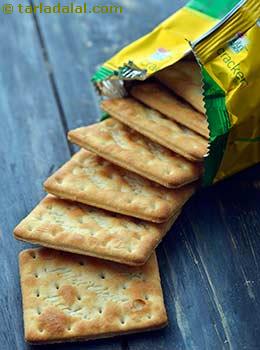
It is a large-diameter biscuit with a crumbly texture, which most people find quite appealing. It has a rich, nutty flavour with a hint of sweetness from the included sugar. The typical digestive biscuit contains coarse brown wheat flour (which gives it its distinctive texture and flavour), partially hydrogenated vegetable oil, whole meal, cultured skimmed milk, partially-inverted sugar syrup, raising agents, sugar and salt.
How to select digestive biscuit
Several brands of digestive biscuit in various pack sizes are easily available in the market. Choose a brand you prefer, and a small or large pack size according to your requirement. Check on the manufacturing as well as expiry dates, to ensure freshness.
Culinary Uses of digestive biscuit
Indian desserts using digestive biscuits | recipes using digestive biscuit |
1. We have used digestive biscuit as its semi sweet and crumbly in texture. It also has high fibre which is good for digestion. See our no bake cookies recipe | quick Indian 5 minute no bake cookies | eggless no cook cookies | Crushed digestive biscuits together with crunchy and wholesome ingredients like muesli and wheat bran are mixed into a dough, shaped into cookies.
2. chocolate pie recipe | eggless chocolate pie | no bake chocolate pie | homemade Indian chocolate pie | with 29 amazing recipes. An evergreen favourite with kids, the chocolate pie is traditionally a time-consuming dessert. Now, here is how you can make no bake chocolate pie quickly and easily using the microwave. All it takes is a few minutes to prepare a biscuit base, a few more minutes to prepare a creamy, chocolaty topping, and a few hours to set in the refrigerator.
• It tastes delicious either plain or with any kind of cheese or jam.
• Some people enjoy dunking digestive biscuits in tea or coffee to soften them slightly before consuming them.
• They can also be pulverized to make cracker crusts for recipes like cheesecakes.
How to store digestive biscuit
• Once opened, store in an airtight container at room temperature.
• Avoid air or moisture exposure as it might lose its crispiness and could become sticky too.
• Once opened, it will stay good for 2 to 3 weeks.
Health benefits of digestive biscuit
• They are high in refined carb sugars and high on the Glycemic Index, which means they can cause a rapid rise in blood-glucose levels, leading to excessive insulin production and a sudden drop in blood sugar.
• The fibre content is very good as it uses all whole meal and also some have husks of the grain.
.webp)
crushed digestive biscuit
The biscuits are crushed either with hand or by placing them in a cloth and pounding them with a hammer for a few seconds. The latter procedure tends to impart a finer crushed product than the former.
Related Recipes
Blueberry Cheesecake ( Cheesecakes Recipe)
Healthy No Bake Cookies, Peanut Butter And Muesli Cookies
Fruits With Custard ( Baby And Toddler Recipe)
Banana Apple Pudding ( Baby And Toddler Recipe)
More recipes with this ingredient...
digestive biscuit (29 recipes), crushed digestive biscuit (14 recipes)


Related Glossary
.webp)
.webp)
Follow US
Recipe Categories
- Vitamin B12 Cobalamin Rich Recipes 33 recipes
- Low Calorie, Weight Loss Indian Recipes 421 recipes
- Low Cholesterol Indian Recipes 307 recipes
- Healthy Indian Breakfast 372 recipes
- Indian Diabetic recipes 558 recipes
- Indian Pregnancy recipes 461 recipes
- Zero Oil Indian Recipes 133 recipes
- Iron Rich Indian recipes 267 recipes
- Healthy Indian Acidity recipes 132 recipes
- Healthy Sabzis 108 recipes
- Indian Healthy Veg Snack 275 recipes
- Healthy Heart Recipes 415 recipes
- Healthy Veg Indian Soups 74 recipes
- Calcium Rich Indian Recipes 373 recipes
- High Blood Pressure Indian Recipes 100 recipes
- Healthy Indian Salads Recipes 137 recipes
- Low Carb Indian Diet, recipes 160 recipes
- Hypothyroidism Diet 59 recipes
- Arthritis Diet 68 recipes
- Vitamin K Diet 41 recipes
- High Protein Indian recipes 93 recipes
- Fatty Liver Diet 30 recipes
- PCOS 131 recipes
- Gluten Free Veg Indian 193 recipes
- High Fiber 328 recipes
- Indian Cancer Patients 275 recipes
- Jaundice Diet 45 recipes
- Sprouts 61 recipes
- Typhoid 43 recipes
- Irritable Bowel Syndrome (IBS) 20 recipes
- Kidney Stone Diet 9 recipes
- Home Remedies 213 recipes
- Senior Citizen 195 recipes
- Diet for Dialysis 10 recipes
- Healthy Indian Drinks and Juices 213 recipes
- Gout Indian Recipes 17 recipes
- Potassium Rich 80 recipes
- Vegan 194 recipes
- Forever Young Diet, Anti Aging Indian Diet 255 recipes
- Indian recipes to treat Vomiting 7 recipes
- High in Omega 3 Fatty Acids 31 recipes
- Zinc Rich Foods 55 recipes
- Malaria Diet 17 recipes
- Vitamin B1 Rich Indian Foods, Recipes 101 recipes
- Vitamin A Rich, Beta Carotene, Retinol 87 recipes
- Antioxidant Rich Indian 445 recipes
- Low Veg Glycemic Index 86 recipes
- Lower Blood Pressure Salads 7 recipes
- Healthy Indian Dinner 85 recipes
- Magnesium Rich 94 recipes
- Vitamin C Rich Indian recipes 118 recipes
- Healthy Indian Lunch Recipes 29 recipes
- Lactation 25 recipes
- Hyperthyroidism Diet 46 recipes
- Vitamin E Rich 50 recipes
- Vitamin B3, Niacin Rich 41 recipes
- Post Surgery Diet 42 recipes
- Lower Blood Pressure Desserts Sweets 14 recipes
- Selenium 27 recipes
- Phosphorus Rich Indian Recipes, Foods 74 recipes
- Copper 15 recipes
- Foods Rich in Vitamin B2 Riboflavin 22 recipes
- Vitamin B6 Diet 36 recipes
- Vitamin B9 Rich Folate 50 recipes
- B Vitamins 231 recipes
- Manganese Diet 32 recipes
- Thalassemia 18 recipes
- Marathoners, Endurance Athletes, Triathlete 225 recipes
- Detox Water, Fruit Infused Water 42 recipes
- Lactose Free Dairy Free 22 recipes
- Omega 6 Fatty Acids 32 recipes
- Phytonutrients 51 recipes
- Chronic Kidney Disease Indian recipes 12 recipes
- Selenium1 0 recipes
- Quick Snacks / Quick Starters 385 recipes
- Quick Breakfast Indian 132 recipes
- Quick Sabzis 117 recipes
- Quick Rotis / Parathas 46 recipes
- Quick Indian Sweets 139 recipes
- Quick Stir-Fries 51 recipes
- Quick Vegetarian Indian Soups 72 recipes
- Quick Chutneys 67 recipes
- Quick Vegetarian Rice, khichdi Recipes 56 recipes
- Indian snacks under 10 minutes 44 recipes
- Quick Indian Dips, Gravies & Sauces 103 recipes
- Quick Veg Indian Pizza 17 recipes
- Quick Veg Pasta 25 recipes
- Quick Pickles / Aachar 25 recipes
- Quick Dals / quick Kadhis 29 recipes
- Snacks under 5 minutes 33 recipes
- Quick Healthy Recipes 43 recipes
- Quick Pressure Cooker 46 recipes
- Quick Desserts 48 recipes
- Quick 3 Ingredients 63 recipes
- Quick Indian Desserts 18 recipes
- Quick 4 Ingredients 41 recipes
- Quick 5 Ingredients 41 recipes
- Kids Tiffin Box 318 recipes
- Recipes for Toddlers (1-3 Years) 31 recipes
- Sweet Recipes for Kids 453 recipes
- Recipes for Baby (10 to 12 Months) 14 recipes
- Quick Indian recipes for Kids 72 recipes
- Indian Breakfast Recipes for Kids 192 recipes
- Recipes for Weaning (8 to 9 months) 20 recipes
- Healthy Foods for Kids 195 recipes
- Snack Recipes for Kids 619 recipes
- Recipes Kids can make 36 recipes
- Kids After School 794 recipes
- Kids Jar Snacks 66 recipes
- Finger Foods for Babies, Toddlers and Kids 76 recipes
- Kids Weight Gain 43 recipes
- Kids Wraps and Rolls 23 recipes
- Kids Veg Pasta 27 recipes
- Kids Brain Boosting 68 recipes
- Protein rich food for kids 69 recipes
- Recipes for Weaning 13 recipes
- Kids Pizzas 30 recipes
- Babies, Toddler and Kids Iron Rich Foods 31 recipes
- High Fiber Foods for Kids 39 recipes
- Kids Noodles 37 recipes
- Kids High Energy Indian Foods 103 recipes
- Kids Calcium Rich Indian recipes 91 recipes
- Kids Recipes for Increasing Immunity 10 recipes
- Babies recipes, 6 to 18 months 31 recipes
- Kids Weight Loss 58 recipes
- Teething Recipes for Babies 10 recipes
- Cereals and Pulses for 8 to 9 months Baby 5 recipes
- Weaning foods at 7 months 8 recipes
- Indian Teen 315 recipes
- Starters / Snacks 2137 recipes
- Indian Breakfast Recipes 819 recipes
- Main Course Recipes 925 recipes
- Indian Salads 385 recipes
- Indian Desserts , Sweets 985 recipes
- Indian Soups 249 recipes
- Indian Beverages, Indian Drinks 483 recipes
- Indian Dinner 903 recipes
- Indian Dinner1 0 recipes
- Indian Lunch 830 recipes
- Side Dishes 449 recipes
- Indian Travel Food 433 recipes
- Indian Barbeque1 recipes 22 recipes
- Frozen Foods, Indian Freezer Recipes 67 recipes
- Whole Wheat Recipes 56 recipes
- Indian Comfort Foods 212 recipes
- Dinner Menus 56 recipes
- Easy Indian Veg 70 recipes
- Innovative Indian Recipes 27 recipes
- No Cook Indian 37 recipes
- Advanced Recipes 10 recipes
- Cakes with Eggs 13 recipes
- Microwave 230 recipes
- Oven 619 recipes
- Indian Steamer Recipes 102 recipes
- Kadai Veg 406 recipes
- Indian Barbeque Recipes 43 recipes
- Sizzler tray 15 recipes
- Mixer 566 recipes
- Pressure Cooker 315 recipes
- Tava 646 recipes
- Non-stick Pan 1394 recipes
- Appe Mould 17 recipes
- Pan 223 recipes
- Indian Freezer recipes, meals 56 recipes
- Deep Pan 148 recipes
- Non Stick Kadai Veg 203 recipes
- Refrigerator 176 recipes
- Waffle Indian recipes 6 recipes
- Handi 12 recipes
- Juicer and Hopper 64 recipes
- Grill 30 recipes
- Toaster 21 recipes
- Gas Toaster 7 recipes
- Steam 72 recipes
- No Cooking Veg Indian 335 recipes
- Vegetarian baked Indian recipes 380 recipes
- Boiled Indian recipes 129 recipes
- Deep Fry 259 recipes
- Indian Tawa 266 recipes
- Shallow Fry Indian 25 recipes
- Microwave1 173 recipes
- Saute 274 recipes
- Indian Pressure Cooker 171 recipes
- Stir-fry 100 recipes
- Roasting 0 recipes
-10876.webp)