What is Fresh Cream? Glossary, Uses & Recipes
 Tarla Dalal
• Updated : Feb 01, 2026
Tarla Dalal
• Updated : Feb 01, 2026
Fresh cream in the Indian context typically refers to a dairy product that's richer than milk but less thick than butter or ghee. It's essentially the fat layer skimmed from the top of milk before it's homogenized. Unlike heavy cream in Western countries, which often has a very high fat content (35% or more), the fresh cream commonly available in India, particularly brands like Amul Fresh Cream, usually has a lower milk fat percentage, around 25%. This distinction is crucial as it affects its whipping ability and culinary applications, making it versatile for both sweet and savory dishes without being overly heavy.
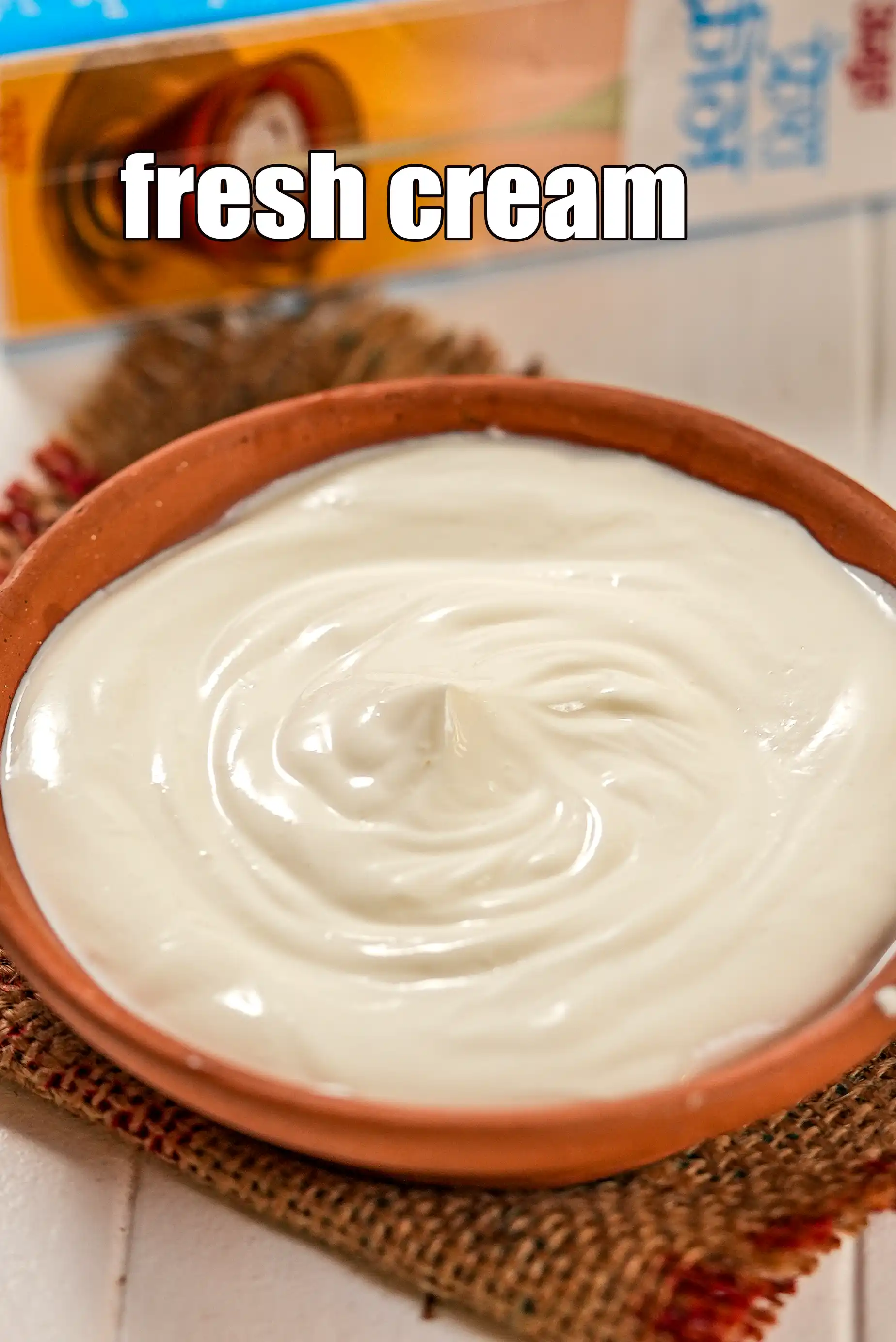
Table of Content

Fresh cream is extensively used across various Indian cuisines, playing a vital role in adding richness and a creamy texture to a multitude of dishes. In North Indian cooking, it's a staple for enriching gravies in popular dishes like Butter Chicken, Paneer Makhani, or Malai Kofta, giving them a luscious, velvety finish. It's also incorporated into many desserts, from traditional Kheer and Phirni to more modern fruit creams and trifles, providing a delicate sweetness and smoothness. Its mild flavor ensures it doesn't overpower other ingredients but rather enhances them.
Beyond gravies and desserts, fresh cream finds its way into other Indian culinary applications. It's often used to make creamy vegetable preparations or soups, offering a subtle richness without being too heavy. In some regions, it can be a part of traditional bread accompaniments or dips, providing a smooth base. While not as common for direct consumption as yogurt, it can be a delightful addition to fruit salads or a simple dollop on top of hot beverages like coffee or hot chocolate, especially for those seeking a richer texture.
One of the significant advantages of fresh cream in India is its versatility in texture. While it might not whip into stiff peaks as easily as higher-fat heavy cream (which often requires specific chilling conditions and techniques, as seen in the Amul Fresh Cream whipped cream recipe), it can still be gently whipped to a soft consistency. This makes it suitable for lighter toppings or for adding airiness to desserts without making them overly dense. Its lower fat content compared to some Western counterparts also makes it a preferred choice for daily cooking where a touch of creaminess is desired without excessive richness.
Fresh cream's widespread availability, particularly in convenient tetra packs, and its adaptable nature have cemented its place in Indian kitchens. It bridges the gap between traditional dairy products and Western culinary influences, allowing for the creation of a wide range of dishes that are both authentic in flavor and appealing in texture. Its balance of fat and creaminess makes it an indispensable ingredient for adding a touch of indulgence to everyday meals and special occasions alike.
How to Select Fresh Cream
• Puffy and leaking boxes of cream are best avoided.
• Cream in a tetra pack or box, is not exactly fresh, but thats the closest equivalent to fresh cream.
Uses of Fresh Cream in Indian cooking
1. Fresh cream is obtained by skimming the top layer of milk. It is super rich and enhances the flavor of all the things it is added to.
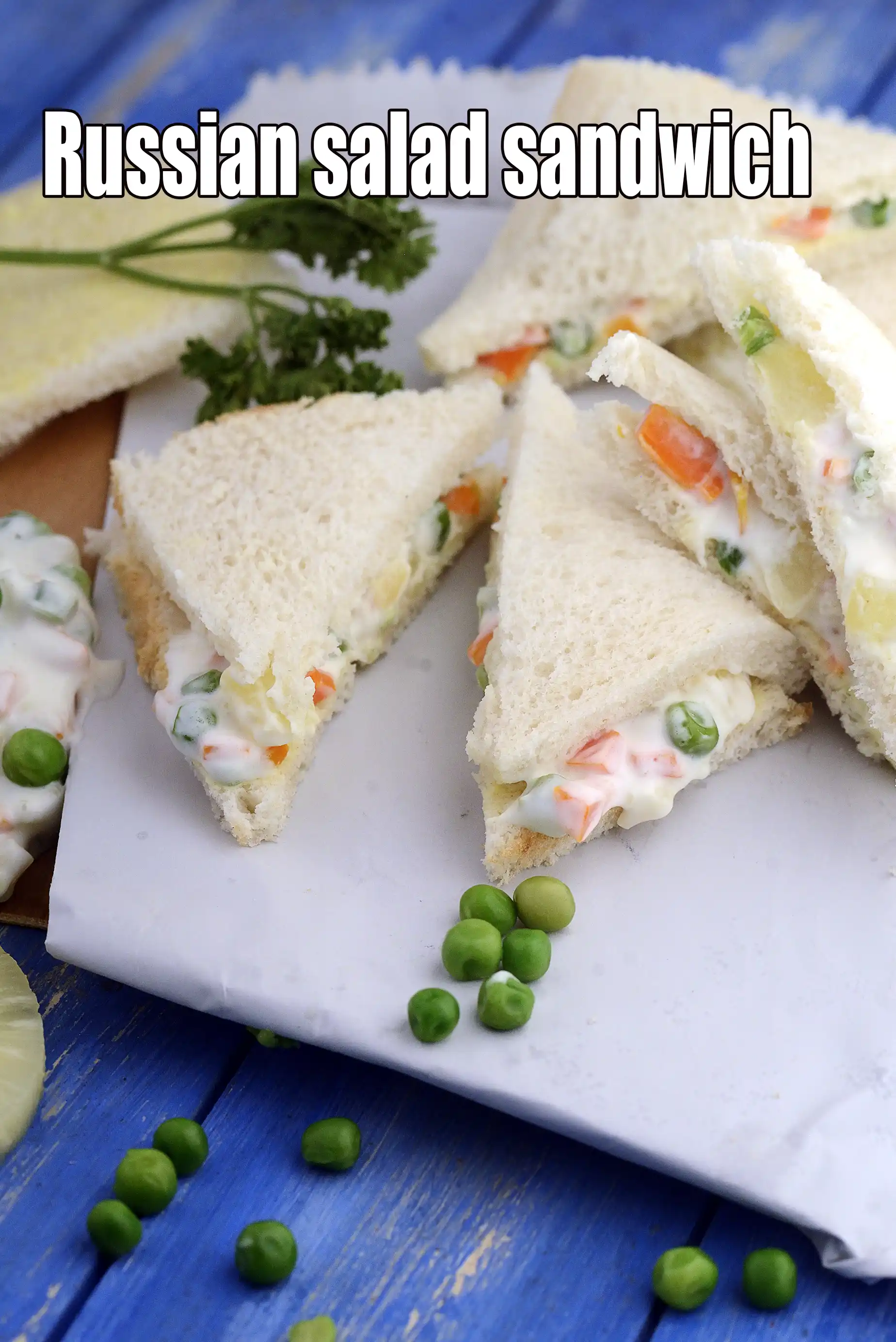
Russian salad sandwich recipe | veg Russian salad sandwich | Indian style cold Russian salad sandwich

2. Adding cream to coffee makes it taste better, giving it a luscious taste. Not only is it added to hot coffee, but is also added to cold coffee preparations.
3. In India, it is used in various types of dishes. Adding it to subzis like Methi Matar Malai provides a rich and mouth feel and thicker gravy that is more enjoyable to eat. It also settles the flavor down a little bit if any spice or chili is overpowering the food. Similarly it is used in rice preparations like Kofta biryani and thick dals to make them creamier.
4. Fresh cream is used in soups to make them creamier in taste, the most famous soups being Cream of Tomato and Cream of Broccoli soup.
5. Sour Cream, which is an essential for Mexican cuisine, is also made from fresh cream.
6. Since it is so rich and creamy, it is an important ingredient to make Ice Cream. Because of fresh cream, the ice creams turn out perfect even without an ice cream maker and doesn’t form any ice crystals on cooling.
7. Different types of desserts that require some velvety texture to them, all use fresh cream as an ingredient. It is especially important in making Panna Cotta, a lush and pillowy dessert.
8. Italian Food uses cream as one of their main ingredients. Fetuccine Alfredo, or for that matter, any white sauce pasta, has fresh cream in it to get an even consistency which is rich, flowy and coats the pasta well.
9. Fruit salads taste exceptionally delicious drizzled with fresh cream.
How to Store Fresh Cream
• Before opening, store the cream in a cool and dry place for up to 120 days from packaging. It does not require any refrigeration. But once opened, store in a refrigerator and use within 4 days.
Health Benefits of Fresh Cream
1 tbsp of Amul fresh cream (15 gm) provides around 37 calories, out of which 34 calories are from fat (22 calories result from saturated fat), 2 calories from carbs and 1 calorie from protein. Till late, saturated fat was always looked upon as that evil fat which would lead to high cholesterol levels and strokes. Offhand, studies have revealed no such association. In fact, fats will keep you full for a long time and avoid bingeing and weight gain. However, the proportion of cream and the way you use them in cooking is of great importance to maintain your waistline. You can add about a tsp of fresh cream once in a while to your meals, especially coffee, to enhance the taste. Moreover, the use of cream cuts down on bitterness of the coffee, so you won’t add any sugar to your coffee. Addition of sugar will anyways cause more harm to your body. But, try not to add fresh cream in bulk frequently. Also remember that with any kind of diet to stay fit and healthy, you need to follow a good exercise plan on a daily basis.
FAQs
What is fresh cream?
Fresh cream is a dairy product obtained by skimming the top fat layer from milk (before homogenization). In India, it's richer than plain milk but less thick than butter or ghee. Popular brands like Amul Fresh Cream have about 25% milk fat, unlike Western heavy cream (35%+ fat).
How is fresh cream different from malai?
Malai is the traditional clotted cream collected from boiled buffalo or cow milk at home (thicker and more natural). Fresh cream (like Amul tetra pack) is a processed, standardized version with consistent 25% fat, easier to store and use in recipes. They are similar in richness but malai is often homemade and fresher in texture.
How is fresh cream different from whipping cream or heavy cream?
Fresh cream (India, ~25% fat): Great for gravies, soups, desserts; adds creaminess but doesn't whip to stiff peaks easily.
Whipping cream (~30-35% fat): Whips into soft/stiff peaks for toppings, cakes, pastries.
Heavy cream (35%+ fat): Richer, used in Western recipes; can substitute in Indian dishes but may make them heavier. Amul Fresh Cream works for most Indian cooking but needs special chilling/beating for soft whipping.
What are the common uses of fresh cream in Indian cooking?
It adds richness and velvety texture to:
North Indian gravies (Paneer Makhani, Malai Kofta, Methi Matar Malai).
Creamy soups (Cream of Tomato, Cream of Broccoli).
Desserts (Kheer, Phirni, fruit creams, Panna Cotta, no-churn ice cream).
Rice dishes (Kofta biryani), dals, pasta in white sauce, dips, fruit salads, coffee/hot chocolate. It balances spices, reduces bitterness, and gives a restaurant-style finish.
Is fresh cream healthy? What are its nutritional benefits?
1 tablespoon (15g) of Amul Fresh Cream provides ~37 calories (mostly from fat, including saturated fat). Recent studies show saturated fats aren't directly linked to high cholesterol or strokes when used moderately. It promotes fullness, helps avoid overeating, and can reduce sugar in coffee by cutting bitterness. Use in moderation (e.g., 1 tsp occasionally) with exercise for a balanced diet.
How should I store fresh cream?
Unopened tetra pack: Store in a cool, dry place (no refrigeration needed) for up to 120 days from packaging date.
Once opened: Refrigerate immediately and use within 4 days. Avoid puffy or leaking packs when buying.
Can I whip fresh cream (like Amul) for cakes or toppings?
Yes, but it whips to a soft consistency (not stiff peaks like higher-fat creams). Freeze the pack for 4+ hours, chill bowl/beater, use an ice bath, and beat on low then high speed in a cool room/AC for best results. Use immediately or within 30 minutes, as it may lose texture.
What can I substitute for fresh cream in recipes?
For gravies/curries: Malai (from milk), or a mix of butter + milk, or coconut cream (for vegan/lactose-free).
For richer texture: Heavy/whipping cream if available (adjust quantity).
Yogurt or Greek yogurt for lighter/healthier versions (changes taste slightly). In Indian dishes, fresh cream is preferred for authentic creaminess.
Can fresh cream be used in desserts and savory dishes?
Yes—it's versatile! It thickens gravies without curdling, smooths desserts, prevents ice crystals in homemade ice cream, and enhances mouthfeel in subzis, soups, pasta, and beverages.
Why do many Indian recipes call for fresh cream instead of other creams?
It's widely available (tetra packs), affordable, has a balanced fat level for Indian flavors, and adds lusciousness without overpowering spices. It bridges traditional malai with convenient modern use in vegetarian cooking.


Related Glossary
Follow US
Recipe Categories
- Vitamin B12 Cobalamin Rich 35 recipes
- Low Calorie, Weight Loss Indian 423 recipes
- Low Cholesterol Indian 314 recipes
- Healthy Indian Breakfast 374 recipes
- Indian Diabetic 564 recipes
- Indian Pregnancy 461 recipes
- Zero Oil Indian 133 recipes
- Iron Rich Indian 268 recipes
- Healthy Indian Acidity 137 recipes
- Healthy Sabzi 108 recipes
- Healthy Indian Vegetarian Snack 276 recipes
- Healthy Heart Recipes 421 recipes
- Healthy Veg Indian Soups 74 recipes
- Calcium Rich Indian 373 recipes
- High Blood Pressure Indian Recipes 104 recipes
- Healthy Indian Salads Recipes 137 recipes
- Low Carb Indian Diet, recipes 163 recipes
- Hypothyroidism Diet 63 recipes
- Arthritis Diet 68 recipes
- High Protein Indian recipes 95 recipes
- Vitamin K Diet 42 recipes
- Fatty Liver Diet 39 recipes
- PCOS 136 recipes
- Gluten Free Veg Indian 197 recipes
- High Fiber 329 recipes
- Indian Cancer Patients 275 recipes
- Jaundice Diet 45 recipes
- Sprouts 61 recipes
- Typhoid 43 recipes
- Irritable Bowel Syndrome (IBS) 23 recipes
- Kidney Stone Diet 10 recipes
- Home Remedies 213 recipes
- Senior Citizen 195 recipes
- Healthy Indian Drinks and Juices 214 recipes
- Diet for Dialysis 10 recipes
- Gout Indian Recipes 17 recipes
- Potassium Rich 80 recipes
- Vegan 195 recipes
- Indian recipes to treat Vomiting 8 recipes
- Forever Young Diet, Anti Aging Indian Diet 255 recipes
- Antioxidant Rich Indian 445 recipes
- Vitamin B1 Rich Indian Foods, Recipes 101 recipes
- High in Omega 3 Fatty Acids 32 recipes
- Zinc Rich Foods 55 recipes
- Vitamin A Rich, Beta Carotene, Retinol 89 recipes
- Malaria Diet 19 recipes
- Magnesium Rich 94 recipes
- Vitamin C Rich Indian recipes 118 recipes
- Healthy Indian Dinner 85 recipes
- Low Veg Glycemic Index 86 recipes
- Lower Blood Pressure Salads 8 recipes
- Healthy Indian Lunch Recipes 29 recipes
- Lactation 25 recipes
- Vitamin E Rich 51 recipes
- Hyperthyroidism Diet 47 recipes
- Vitamin B3, Niacin Rich 41 recipes
- Post Surgery Diet 42 recipes
- Selenium 27 recipes
- Phosphorus Rich Indian Recipes, Foods 74 recipes
- Lower Blood Pressure Desserts Sweets 14 recipes
- Copper 15 recipes
- Foods Rich in Vitamin B2 Riboflavin 22 recipes
- Vitamin B6 Diet 36 recipes
- B Vitamins 231 recipes
- Vitamin B9 Rich Folate 50 recipes
- Marathoners, Endurance Athletes, Triathlete 225 recipes
- Manganese Diet 32 recipes
- Thalassemia 18 recipes
- Detox Water, Fruit Infused Water 42 recipes
- Lactose Free Dairy Free 22 recipes
- Omega 6 Fatty Acids 32 recipes
- Phytonutrients 51 recipes
- Chronic Kidney Disease Indian recipes 12 recipes
- Selenium1 0 recipes
- Quick Snacks / Quick Starters 385 recipes
- Quick Breakfast Indian 131 recipes
- Quick & Easy Indian Sabzi 117 recipes
- Quick Rotis and Parathas 46 recipes
- Quick Indian Sweets 139 recipes
- Quick Stir-Fries 51 recipes
- Quick Vegetarian Indian Soups 72 recipes
- Quick Chutneys 67 recipes
- Quick Vegetarian Rice, khichdi Recipes 56 recipes
- Indian Snacks Under 10 Minutes (Quick Veg Recipes) 44 recipes
- Quick Indian Dips, Gravies & Sauces 105 recipes
- Quick Veg Indian Pizza 17 recipes
- Quick Veg Pasta 25 recipes
- Quick Pickles / Aachar 25 recipes
- Quick Dals / quick Kadhis 29 recipes
- Snacks under 5 minutes 33 recipes
- Quick Healthy Recipes 43 recipes
- Quick Pressure Cooker 46 recipes
- Quick Desserts 48 recipes
- Quick 3 Ingredients 63 recipes
- Quick Indian Desserts 21 recipes
- Quick 4 Ingredients 41 recipes
- Quick 5 Ingredients 42 recipes
- Kids Tiffin Box 319 recipes
- Recipes for Toddlers (1-3 Years) 32 recipes
- Sweet Recipes for Kids 456 recipes
- Recipes for Baby (10 to 12 Months) 17 recipes
- Quick Indian recipes for Kids 72 recipes
- Indian Breakfast Recipes for Kids 194 recipes
- Recipes for Weaning (8 to 9 months) 22 recipes
- Snack Recipes for Kids 620 recipes
- Healthy Foods for Kids 196 recipes
- Recipes Kids can make 36 recipes
- Kids After School 794 recipes
- Kids Jar Snacks 67 recipes
- Finger Foods for Babies, Toddlers and Kids 76 recipes
- Kids Weight Gain 43 recipes
- Kids Wraps and Rolls 23 recipes
- Kids Veg Pasta 27 recipes
- Kids Brain Boosting 68 recipes
- Protein rich food for kids 71 recipes
- Recipes for Weaning 15 recipes
- Kids Pizzas 30 recipes
- Babies, Toddler and Kids Iron Rich Foods 31 recipes
- High Fiber Foods for Kids 40 recipes
- Kids High Energy Indian Foods 103 recipes
- Kids Noodles 37 recipes
- Kids Calcium Rich Indian recipes 92 recipes
- Babies recipes, 6 to 18 months 34 recipes
- Kids Recipes for Increasing Immunity 10 recipes
- Kids Weight Loss 58 recipes
- Teething Recipes for Babies 10 recipes
- Cereals and Pulses for 8 to 9 months Baby 8 recipes
- Weaning foods at 7 months 12 recipes
- Indian Teen 315 recipes
- Starters / Snacks 2139 recipes
- Indian Breakfast 820 recipes
- Main Course Recipes 928 recipes
- Indian Salads 385 recipes
- Indian Desserts , Sweets 985 recipes
- Indian Soups 249 recipes
- Indian Drinks (Chai, Lassi & More) 484 recipes
- Indian Dinner 903 recipes
- Indian Dinner1 0 recipes
- Indian Lunch 829 recipes
- Side Dishes 449 recipes
- Indian Travel Food 433 recipes
- Indian Barbeque1 recipes 22 recipes
- Frozen Foods, Indian Freezer Recipes 67 recipes
- Whole Wheat Recipes 56 recipes
- Indian Comfort Foods 212 recipes
- Dinner Menus 56 recipes
- Easy Indian Veg 70 recipes
- Innovative Indian Recipes 27 recipes
- No Cook Indian 37 recipes
- Advanced Recipes 10 recipes
- Cakes with Eggs 13 recipes
- Microwave 229 recipes
- Oven 619 recipes
- Indian Steamer Recipes 102 recipes
- Kadai Veg 407 recipes
- Indian Barbeque Recipes 43 recipes
- Sizzler tray 15 recipes
- Mixer 566 recipes
- Pressure Cooker 315 recipes
- Tava 647 recipes
- Non-stick Pan 1393 recipes
- Indian Freezer recipes, meals 57 recipes
- Appe Mould 18 recipes
- Pan 223 recipes
- Non Stick Kadai Veg 203 recipes
- kadai Indian 150 recipes
- Refrigerator 176 recipes
- Waffle Indian recipes 6 recipes
- Handi 12 recipes
- Juicer and Hopper 65 recipes
- Grill 31 recipes
- Toaster 21 recipes
- Gas Toaster 8 recipes
- Healthy Indian steamed 73 recipes
- No Cooking Veg Indian 335 recipes
- Vegetarian baked Indian recipes 381 recipes
- Boiled Indian recipes 129 recipes
- Deep Fry 261 recipes
- Indian Tawa 265 recipes
- Shallow Fry Indian 25 recipes
- Microwave1 172 recipes
- Saute 273 recipes
- Indian Pressure Cooker 171 recipes
- Stir-fry 101 recipes
- Roasting 0 recipes